



Meat Grinder Buying Guide
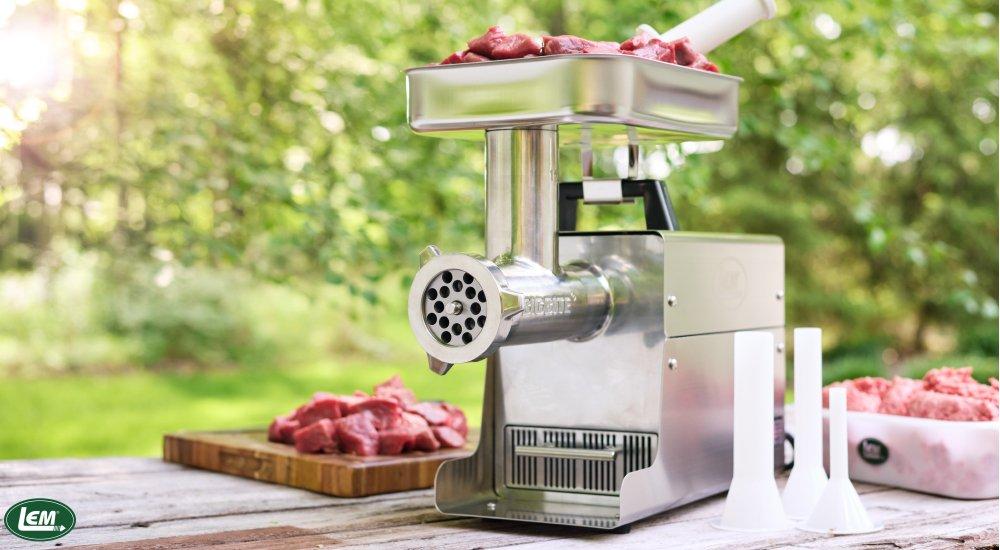
After a successful hunt, a quality meat grinder helps you make the most of your harvest. Whether you're making burger, sausage, or ground meat for your favorite recipes, choosing the right meat grinder can make the process faster, easier, and more enjoyable. To help you navigate the selection of meat grinders, our Experts explain the different types, key components, and how to select the right size for your processing needs.
What is a Meat Grinder?
A meat grinder is an essential piece of food processing equipment designed to convert chunks of meat into ground meat. On average, 30 to 40 percent of wild game ends up as trimmings. Instead of letting those trimmings go to waste, a meat grinder efficiently processes them into usable ground meat for meals like hamburgers, chili, or spaghetti.
Parts of a Meat Grinder
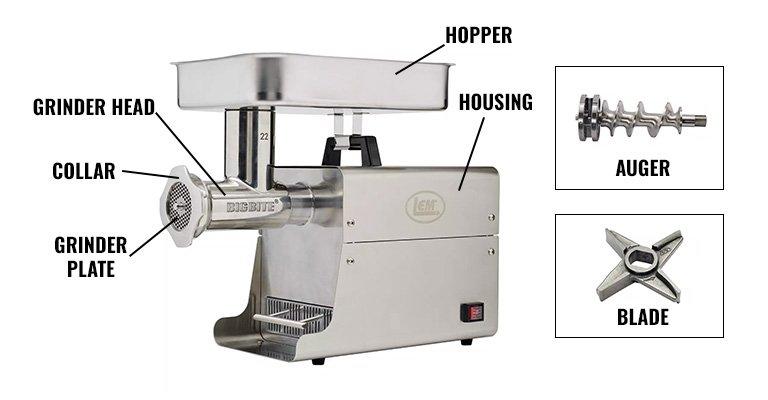
While they might look intimidating out of the box, meat grinders are actually made up of a few simple, easy-to-assemble components. Understanding these parts will make putting your grinder together (and using it) easier:
-
Housing: This is the main body of the unit that covers and protects the electric motor.
-
Grinder Head: This is the main hollow barrel that attaches to the collar of the motor housing. It holds all the internal working parts.
-
Auger: This is the large, heavy corkscrew piece that slides into the head. As it turns, it pushes the meat forward toward the blade.
-
Blade (or Knife): This is the cutting tool that slices the meat as it is pushed forward by the auger.
-
Grinding Plates: These are flat discs with holes that determine how finely your meat is ground. A standard setup usually includes a coarse plate for the first grind, a fine plate for the second grind, and sometimes a special plate specifically for stuffing sausage casings.
-
Collar: The threaded ring that screws onto the front of the head to securely hold the auger, blade, and plate in place.
-
Hopper: The large metal tray or funnel that sits on top of the head. This is where you load your cubed meat before feeding it into the machine.
-
Plunger (Meat Stomper): A tool used to safely push the meat down from the hopper and into the head of the grinder.
-
Stuffing Tubes: Many grinders also come with attachable tubes in various sizes (small, medium, and oversized) used for filling sausage casings or wild game bags.
Expert Tip | Pay close attention when installing the blade! It must be installed facing the correct direction on the stem of the auger. If it is put on backward, the grinder will not be able to cut or process the meat properly.
Types of Meat Grinders
When shopping for a meat grinder, you will generally choose between two main categories: manual and electric.
Manual Grinders
Manual (hand) grinders are non-motorized units that clamp onto a table and require you to physically turn a crank to push the meat through the auger. While nostalgic, they pump air into the meat, are incredibly slow, and require a lot of physical strain to process a pound or two of meat. However, their cordless design makes them highly portable and an excellent option for camping or hunting trips.
Electric Grinders
Electric grinders are motorized units that handle the heavy lifting for you. There are two categories depending on their power.
-
Countertop Meat Grinders: These are light-duty electric units. They typically feature internal gears and ball bearings made of plastic. They are also quite loud and require you to push meat down the hopper with a stomper.
-
Heavy-Duty Meat Grinders: These commercial-style electric grinders feature a durable stainless steel housing and solid steel internal gears and ball bearings. Thanks to their specialized augers, they easily pull meat down without the use of a stomper, and they run on a surprisingly quiet, low hum.
Types of Meat Grinders Comparison Chart
| Feature | Manual Grinders | Countertop Electric Grinders | Heavy-Duty Grinders |
|---|---|---|---|
| Power Source | Non-motorized hand crank | Small electric motor | Powerful electric motor ( ½ HP +) |
| Speed | Very slow | Efficient for small batches occasionally | Very fast |
| Noise | Quiet | Very loud | Very quiet |
| Manufacturer’s Warranty | None | ~ 1 year | ~ 5 year |
| Physical Effort | Very high | Moderate, requires cutting meat into smaller cubes and pushing it into the hopper | Very low, simply drop meat into hopper |
| Best For | Cost-effective, small batches | Occasional small jobs | Hunters processing large animals |
What Size Meat Grinder Do I Need?
The size of the grinder you choose largely depends on how much meat you intend to process and how often you plan on using it. When deciding, the most important question to ask yourself is: How much and how often are you grinding? In the chart below, our Experts highlight general guidelines to follow when choosing the right size meat grinder.
| Power | Best Use |
|---|---|
| 575 Watts | Small, occasional batches |
| ½ Horsepower | Great for standard, moderate at-home processing |
| ¾ Horsepower | Sweet spot for hunters running several animals a year with ease |
| 1 Horsepower | Ideal for processing massive amounts of meat very quickly |
| 1.5 Horsepower | Built for commercial-level volume and speed |
Expert Tip | It is always better to have a little bit more capacity than you think you might actually need, rather than not having enough. Buying a grinder with slightly more power ensures you can smoothly finish your entire processing job at home without overworking your machine or needing to stop halfway through.
Frequently Asked Questions about Meat Grinders
When choosing a meat grinder, consider how much meat you plan to process and how often you'll use it. Selecting the right size and type of grinder can make processing your harvest more efficient and enjoyable. If you have additional questions about choosing a meat grinder, stop into your local SCHEELS to speak with an Expert.