



Recurve vs. Compound Bow—An Expert Guide
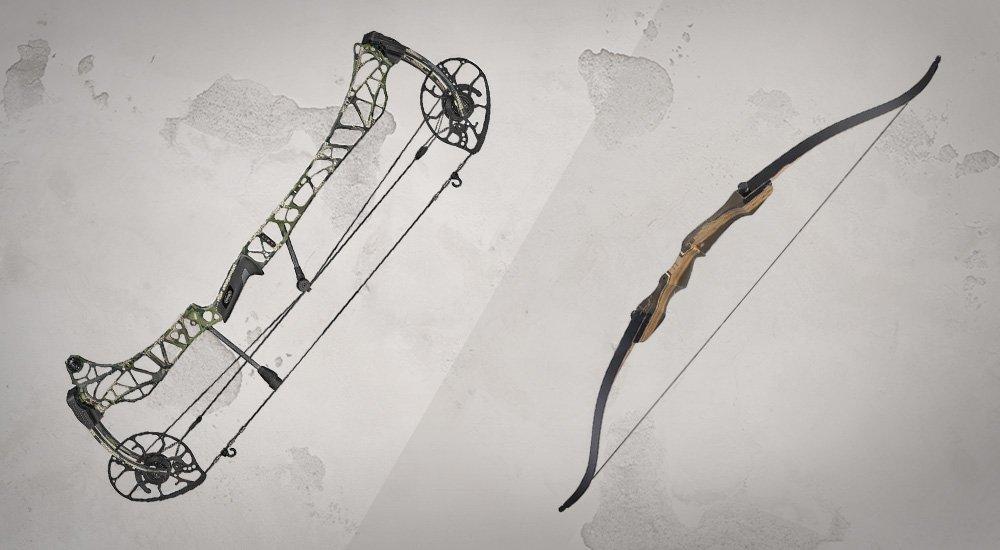
If you’re new to archery, understanding the differences between recurve and compound bows is essential, as each offers its own set of advantages and drawbacks. Our Archery Experts break down the main differences, common features, and the specific ways each bow is used, helping you better understand which type of bow is best for you.
What is a Recurve Bow?
What is a Compound Bow?
What’s the Difference between Recurve and Compound Bows?
Each type of bow—recurve and compound—is designed with distinct features to meet the needs and preferences of any archer. Our Archery Experts highlight the main differences between the two types of bows.
Recurve vs. Compound Bows Chart
| Feature | Recurve | Compound |
|---|---|---|
| Design | Simple, curved limbs | Pulleys (cams) and cables |
| Draw Weight | 25 - 55 lbs. | 30-70 lbs. or more |
| Let-Off | None, maintains draw weight throughout | High (up to 80%), reducing holding weight |
| Maintenance | Low level | High level |
| Cost | $ - $$ (more affordable) | $$ -$$$ (more expensive) |
| Speed | Slower | Faster |
| Use | Traditional archery | Hunting or target archery |
Recurve and compound bows offer different advantages, depending on your needs and experience level. Ultimately, the best choice for you comes down to your personal preferences, budget, and how you intend to use the bow. If you have additional questions about bowhunting, stop into your local SCHEELS to speak with an Archery Expert.