


Choosing the Right Rifle Caliber for Your Hunt
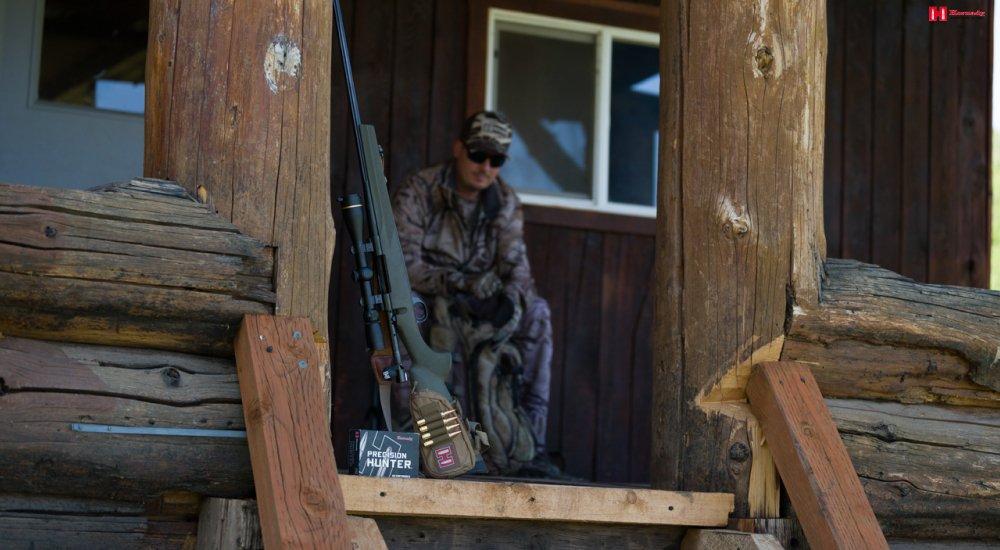
Whether you’re hunting whitetail in the Midwest or elk in the mountains, your rifle caliber plays a major role in the success of your hunt. It's not just about power—it’s about selecting a cartridge that fits your game, terrain, and shooting style. Before purchasing a new rifle, it helps to understand which calibers are best suited for the hunt you have in mind. In this guide, our Firearm Experts cover key terms, popular hunting calibers, and what to consider when deciding which one is right for you.
Understand the Basics—What is a Caliber?
Before diving into charts and comparisons, it’s important to understand what caliber actually means. Caliber refers to the internal diameter of a gun barrel, measured either in inches (like .243 or .308) or in millimeters (like 9mm or 6.5mm).
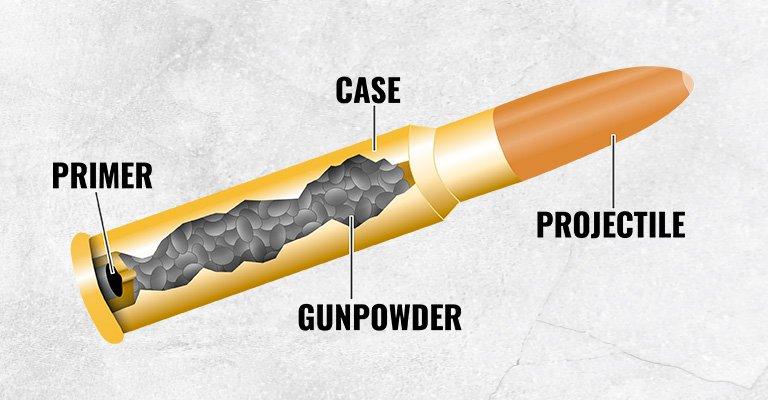
When choosing ammo, you'll notice the term cartridge. A cartridge is the complete unit of ammunition that you load into your rifle. It’s made up of four main parts:
-
Bullet: The projectile that’s fired from the barrel.
-
Case: The metal casing that holds everything together.
-
Powder: The propellant that ignites and pushes the bullet forward.
-
Primer: The ignition source at the base of the cartridge.
These distinctions matter because two cartridges might fire the same caliber bullet but perform differently due to variations in case size, powder load, and intended use—like .308 Winchester vs. .300 Winchester Magnum. Both fire a .30-caliber bullet, but the .300 Win Mag has a larger case and more powder, making it better suited for long-range shots on big game like elk or mule deer, while the .308 is often favored for shorter-range hunts or medium game like whitetail deer.
Understanding these basics will help you make a more informed choice when comparing calibers for your hunt.
Comparing Popular Hunting Calibers
Choosing the right caliber means matching your cartridge to the game you’re hunting and the conditions you expect. Our Firearms Experts highlight the most popular calibers from smallest to largest so you can easily compare and contrast each to narrow down the best caliber for your hunt.
Rifle Caliber Chart
| Cartridge | Caliber | Game Size | Range | Recoil Level | Best For |
|---|---|---|---|---|---|
| 17 HMR | .17 | Small (varmints) | Short | Very Low | Varmint or small game hunting |
| 22 LR | .22 | Small (rabbits, squirrels) | Short | Very Low | Beginners, plinking, small game, budget-friendly shooting |
| .223 Rem | .223 | Small to Medium | Short to Medium | Low | Varmint and small game hunting and target shooting |
| .243 Winchester | .243 | Small to Medium | Short to Medium | Low | Varmint hunting, whitetail deer |
| 6.5 Creedmoor | 6.5mm | Medium to Large (deer, antelope) | Medium to Long | Moderate | Long-range precision, flat shooting, low wind drift |
| .308 Winchester | .30 | Medium to Large (deer, elk) | Medium to Long | Moderate | Versatile hunting (big game), precision shooting, law enforcement use |
| .30-06 Springfield | .30 | Medium to Large (deer, elk, moose) | Medium to Long | Moderate to High | All-around big game hunting across a wide variety of terrain |
| .300 Win Mag | .30 | Large (elk, moose, bear) | Long | High | Big game hunting, high velocity and deep penetration, extended range shots |
How to Choose the Right Rifle Caliber
Once you understand how each cartridge performs, you’ll also want to consider practical factors like the game you’ll hunt, your shooting environment, your recoil tolerance, and even local ammo availability. Here are four key questions to help guide your decision:
1. What game are you hunting?
The size of your target matters most when selecting a caliber because you want the right one to provide sufficient stopping power for an ethical kill. Here’s a general guide:
-
Varmints (prairie dogs, coyotes): 17 HMR, 22 LR, or .223 Rem
-
Deer and Antelope: .243 Win, 6.5 Creedmoor, .308 Win, .30-06 Springfield
-
Elk, Moose, and Large Game: .30-06 Springfield, .300 Win Mag
-
Big Bears & Dangerous Game: .300 Win Mag
2. What Terrain Are You Hunting In?
-
Dense Woods or Brush: Shots are often within 100 yards. Choose calibers that perform well at short range—like .30-06 or .308.
-
Open Fields or Mountain Terrain: Longer sightlines may require a flat-shooting cartridge with low wind drift—like 6.5 Creedmoor or .300 Win Mag.
3. What’s Your Recoil Tolerance?
The more powerful the cartridge, the more recoil you’ll feel. Matching your caliber to your comfort level will make your experience safer and more enjoyable.
-
Low Recoil: .17 HMR, .22 LR, .223 Rem, .243 Win
-
Moderate Recoil: 6.5 Creedmoor, .308 Win
-
High Recoil: .30-06 Springfield, .300 Win Mag
If you’re a new or younger shooter, starting with a lower-recoil round can help you build confidence and accuracy.
4. Is Ammo Easy to Find (and Affordable)?
Even the perfect caliber won’t help much if ammo is hard to find or too expensive to shoot regularly. Common calibers like .308 Win, .223 Rem, and 6.5 Creedmoor tend to be widely available. Specialty or magnum cartridges might offer more power but can be harder to source or more costly per round.
Choosing the right rifle caliber is an important step toward a successful and ethical hunt. By understanding the basics of caliber and cartridge design, and considering factors like your target game, hunting environment, recoil tolerance, and ammo availability, you can confidently select a cartridge that fits your needs. Whether you’re stalking whitetail in thick woods or glassing for elk on distant ridges, the right caliber will help ensure accuracy, effective performance, and a rewarding hunting experience. If you have additional questions about choosing the right caliber, stop into your local SCHEELS to speak with a Firearms Expert.