



Rimfire vs. Centerfire Ammunition—A Complete Guide
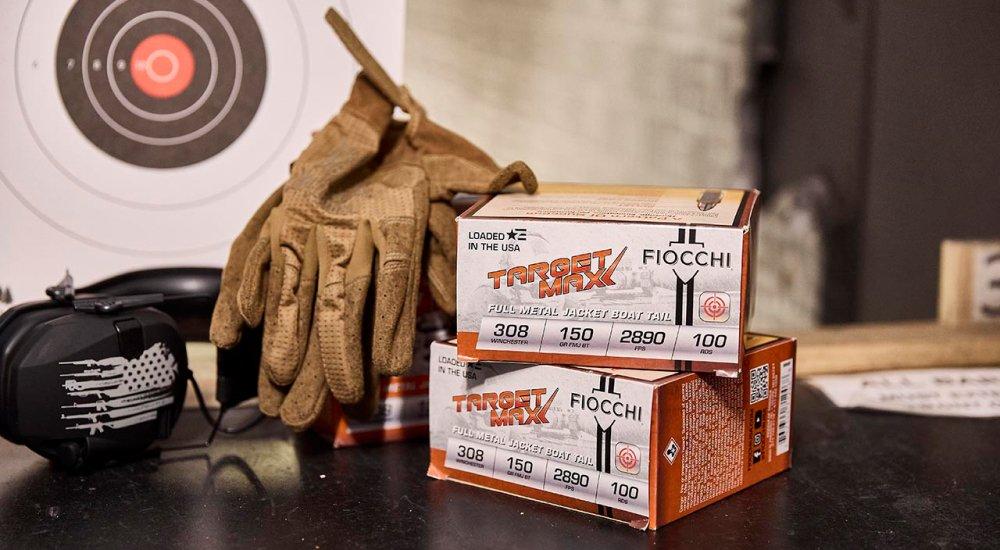
When choosing ammunition, one of the most basic distinctions you’ll encounter is between rimfire and centerfire cartridges. While they may look similar at first glance, these two types of ammo differ significantly in how they’re built, how they fire, and what they’re best used for. To help you choose the right option for your firearm, our Firearm Experts break down the key differences and explain which type is best suited for your shooting needs.
What is Rimfire Ammunition?
Rimfire ammunition is a type of cartridge where the primer compound is located in the rim of the case. When the firing pin strikes the rim, it crushes the thin case material, igniting the primer and firing the round. This simple design makes rimfire cartridges affordable and widely available, especially in small calibers like .22 LR.
Pros:
-
Low recoil, great for beginners
-
Widely available in popular calibers
-
Lower cost, ideal for high-volume shooting
-
Quiet report compared to most centerfire rounds
Cons:
-
Not reloadable
-
Limited to low-pressure, small-caliber cartridges
-
Less effective for long-range shooting or big game hunting
-
Thinner cases can be less durable and more prone to misfires
What is Centerfire Ammunition?
Centerfire ammunition features a primer located in the center of the cartridge base. When the firing pin strikes the primer, it ignites the gunpowder and fires the round. This design uses a separate, replaceable primer and a stronger case, allowing the cartridge to handle much higher pressures than rimfire rounds.
Centerfire cartridges are the standard for most modern rifles, handguns, and shotguns, making them the most common choice for hunting, self-defense, and tactical applications.
Pros:
-
More reliable and durable than rimfire
-
Handles higher pressures, enabling greater power and range
-
Available in a wide variety of calibers for different applications
-
Cases are reloadable, making them cost-effective for frequent shooters
Cons:
-
Higher recoil
-
Typically more expensive than rimfire
-
Louder, requiring proper hearing protection
Rimfire vs. Centerfire: What's the Difference?
Because of their different ignition systems, rimfire and centerfire cartridges offer distinct advantages and are best suited for different shooting applications.
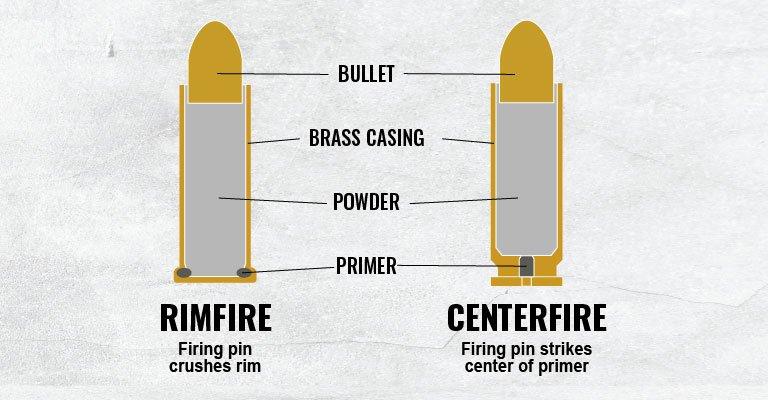
The chart below makes it easy to compare the differences between rimfire and centerfire cartridges:
Feature | Rimfire | Centerfire |
|---|---|---|
| Primer Location | Built into the rim of the case | Separate primer located at the center |
| Caliber Range | Small calibers | Wide range |
| Cost | Lower | Higher |
| Reloadable | No | Yes |
| Power & Range | Lower power, shorter range | Higher power, longer range |
| Recoil | Low | Higher |
| Best Used For | Plinking, small game hunting | Hunting larger game, self-defense, tactical |
| Common Calibers | .22LR and 17HMR | .223 and 9mm |
Expert Advice | A firearm is either chambered for rimfire or centerfire ammunition. Always refer back to your firearm’s owner’s manual for ammunition specifications and safety guidelines.
Choosing between rimfire and centerfire ammunition ultimately depends on your firearm and what you plan to shoot. Rimfire ammo offers an affordable, low-recoil option perfect for beginners, target practice, and small game hunting. Centerfire ammo provides greater power, versatility, and durability, making it ideal for hunting larger game, self-defense, and tactical use. Understanding the key differences ensures you select the right cartridge for your needs, maximizing both performance and safety every time you hit the range or head out on a hunt. For additional questions about choosing ammunition, stop into your local SCHEELS to speak with an Expert.