



Sliding Mitt Guide
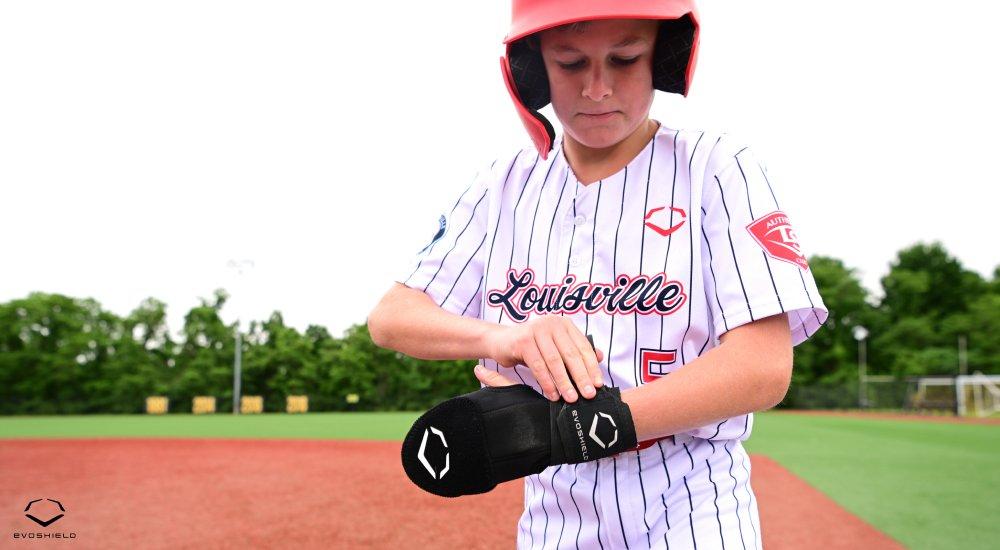
A sliding mitt is an important piece of protective gear for both baseball and softball players. Sliding mitts have quickly become an essential piece of protective gear on the diamond, giving baserunners the shielding and confidence they need to slide harder and safer. Our Baseball and Softball Experts broke down everything you need to know so you can choose the right sliding mitt for your game.
What is a sliding mitt?
A sliding mitt is a specialized piece of protective gear worn on a baserunner's lead hand to shield their fingers, thumb, and wrist during headfirst or aggressive slides. Worn primarily after reaching base, a sliding mitt absorbs ground impact, prevents fingers from bending backward, and guards against abrasions, jammed joints, or cleat strikes from fielders.
Parts of a Sliding Mitt
A sliding mitt is engineered to protect vulnerable areas of your hand while maintaining a secure, comfortable fit on your lead hand. Here is how the basic components work together to safeguard your hand during aggressive slides:
-
Finger Coverage: Rigid or semi-flexible protective plates shield the top and bottom of your fingers, distributing impact forces across the hand and preventing fingers from hyper-extending or jamming against the base.
-
Thumb Coverage: Specialized side padding or shell reinforcement shields the thumb joint against direct collisions with bases, dirt, or fielders' boots.
-
Wrist Coverage: An adjustable elastic compression strap or wrist band wraps around the wrist joint to provide structural support, prevent hyper-extension, and keep the mitt securely in place.
-
Back-of-Hand Coverage: Heavy-duty padded or hard-shell materials protect the top of the hand from sharp metal cleats, dirt friction, and painful turf burns.
Uses of a Sliding Mitt
While any baserunner can wear hand protection, specific player types derive the greatest benefit from using a sliding mitt:
-
Frequent Practice Sliders: Athletes who log high reps in baserunning practice and want to prevent cumulative wear, bruises, and hand soreness over a long season.
-
Base Stealers: Speedy runners who rely on headfirst slides to beat out tags on close plays at second or third base.
-
Middle Infielders: Baserunners who slide hard to break up double plays or dive back to first base during pickoff moves.
-
Softball Slappers: Athletes who use momentum out of the batter's box and slide aggressively on short base paths.
Do You Need a Sliding Mitt?
To help you decide whether a sliding mitt fits your needs, use this quick decision framework based on four key baserunning factors:
-
Slide Frequency: If you slide multiple times per game or regularly practice aggressive baserunning drills, a sliding mitt provides essential daily hand protection.
-
Hand-First Technique: If you frequently slide headfirst into second or third base or dive back to first base on pickoff attempts, your hands face a high risk of impact and require dedicated shielding.
-
League Level: Players in competitive youth travel ball, high school, college, and adult leagues face higher game speeds, hard dirt, turf fields, and metal cleats, making protective gear a smart investment.
-
Prior Hand or Finger Discomfort: If you have experienced jammed fingers, sprained thumbs, cuts, or turf burns from previous slides, a sliding mitt helps prevent recurring injuries and builds confidence on the base paths.
Expert Tip | If you exclusively slide feet-first or don't run the bases aggressively, a sliding mitt may not be necessary for your regular setup, but can be a tool for practices to avoid injury before games.
Baseball vs. Softball Use Cases
While sliding mitts serve the same basic protective purpose in both baseball and softball, differences in position, baserunning style, and game dynamics shape what features matter most:
-
Baseball: Baseball plays feature 90-foot base paths, metal cleats, and frequent headfirst pickoff dives back to first base. Because baseball baserunners face sharp metal cleat strikes and long sliding distances, they often prefer mitts with heavy-duty back-of-hand shielding, rigid plates, and full thumb enclosure.
-
Softball: Fastpitch softball is played on shorter 60-foot base paths with high game speed and frequent play on artificial turf fields. Softball slappers and lead-off hitters rely on rapid acceleration and quick slides, making lightweight mitts with fast-securing elastic wrist straps ideal for quick transitions between the dugout and the base paths.
Comparing Sliding Mitt Features
When comparing sliding mitts, evaluating key design elements—such as wrist strap closures, thumb hole options, and protective plating—helps you identify the right combination for your baserunning style. Our Experts broke down critical features side by side so you can select hand protection that keeps you safe, confident, and aggressive on the base paths.
Benefits of Thumb Holes vs. Whole Hand Coverage
When selecting a sliding mitt, one of the main design choices you will encounter is the difference between an enclosed whole-hand style and a model with a thumb hole.
- Whole Hand (Enclosed Thumb): Encloses the entire hand, including the thumb, inside a single protective shield. This style offers maximum safety by eliminating gaps, ensuring your thumb is fully protected against jammed joints, stubbing, or getting stepped on by cleats during headfirst dives.
Thumb Hole (Exposed Thumb): Features a cutout slot that allows your thumb to extend outside the main body of the mitt. While some players appreciate the added dexterity to unbuckle batting gloves or feel the bag, an exposed thumb remains vulnerable to sprains, hyper-extension, or cleat contact. Some versatile models allow you to keep your thumb enclosed inside or slide it out through the hole depending on your comfort preference.
Fit, closure, and hand placement
To check for proper fit, slip the sliding mitt onto your lead hand to ensure your fingers and thumb rest comfortably against the protective padding without feeling pinched or cramped. Next, fasten the elastic wrist strap to confirm that the mitt stays locked in place without slipping during movement or restricting your joint. A well-fitting mitt should fully cover your hand and wrist securely while remaining quick and easy to take on and off when you reach base.
Material, durability, and ease of use
When comparing sliding mitts, outer materials like synthetic neoprene or genuine leather determine both dirt resistance and overall breathability during long games. In addition, rigid exterior shields paired with soft interior lining deliver maximum impact protection while maintaining a comfortable padding feel. Mitt designs featuring quick side zippers or short wrist straps let you secure your gear in under three to five seconds between pitches, helping you stay protected on the base paths.
Youth vs Adult Sliding Mitts
Choosing the right sliding mitt comes down to matching player age, hand size, and game speed. Our Experts recommend following a simple four-step size check: measure hand length from wrist to fingertip, verify adequate finger room without excessive dead space, test wrist security for a non-slip lock, and confirm comfortable in-motion mobility.
What to Check in Youth Sliding Mitts
Younger players need straightforward sizing, easy-to-secure closures, and gear that balances protective coverage with lightweight mobility. Look for sliding mitts featuring adjustable, extended elastic wrist straps that allow young athletes to quickly secure the mitt independently between pitches without feeling weighted down on the base paths.
What to Check in Adult Sliding Mitts
High school, college, and adult players require a more locked-in fit and heavy-duty, structured protection to withstand high-velocity slides against metal cleats and hard dirt. Older athletes often prioritize the ability to wear the mitt on either hand—along with rigid shell plates, thick wrist bands, or quick side-zip closures for maximum stability and speed.
Common Buying Mistakes (and How to Avoid Them)
To avoid picking a sliding mitt that looks stylish but underperforms on the diamond, watch out for these common red flags:
-
Loose Finger Channels: Allows fingers to shift or jam during impact.
-
Awkward Thumb Placement: Exposes the thumb joint to cleat strikes or hyper-extension.
-
Overbuilt Bulk: Restricts natural baserunning movement and slows transition speed.
-
Unclear Sizing Guidance: Leads to slipping straps or restricted hand movement.
Frequently Asked Questions About Sliding Mitts
For more questions about baseball, softball, or sliding mitts, visit your local SCHEELS to talk with an Expert.