



Can You Wear Basketball Shoes for Volleyball? A Complete Guide
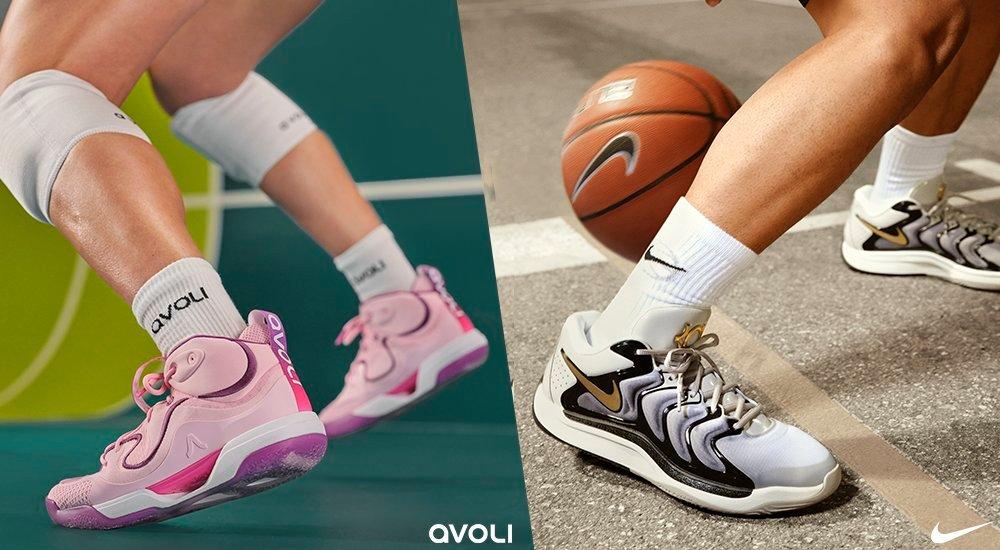
The right shoes can make a big difference in your volleyball performance and comfort. If you’re wondering whether basketball shoes are a good substitute, you’re not alone. While basketball shoes can be a viable option for casual volleyball, specialized volleyball shoes are designed to meet the unique demands of the sport and are generally the better choice for most players. Our Experts break down the differences to help you make the best choice for your needs.
The Short Answer: Basketball Shoes or Volleyball Shoes?
You can wear basketball shoes to play volleyball—especially for recreational games or if you’re just starting out. The basic needs of both sports overlap: support for jumping, grip on indoor courts, and lateral movement. However, volleyball shoes are built for the quick jumps, lateral bursts, and specific wear patterns unique to volleyball. If your goal is safety, comfort, and top performance, volleyball shoes offer clear advantages.
Key Movement Differences
To find the right pair of shoes, it’s important to understand the differences between movements in volleyball and basketball, and in turn, what kind of support you need from your shoes.
Volleyball
-
Repeated Vertical Jumps: Volleyball players—especially blockers and hitters—jump frequently throughout a match.
-
Lateral Movement: Quick shuffles, dives, and defensive slides are common, demanding excellent side-to-side stability.
-
Toe Drag: Volleyball involves frequent toe-dragging, which wears the shoe differently than basketball and requires reinforced toe boxes for durability.
Basketball
-
More Running and Sprinting: Basketball involves significant end-to-end sprinting along with multidirectional movement.
-
Physical Contact: Greater impact and player contact require sturdy construction, often resulting in heavier shoes.
Basketball Shoes vs. Volleyball Shoes: What Sets Them Apart?
The following key features differ between basketball and volleyball shoes, offering unique benefits:
1. Weight and Materials
-
Volleyball Shoes: Made to be lightweight for quick reactions and less fatigue—great for players valuing speed and agility.
-
Basketball Shoes: Generally heavier and more robust, built to handle high-impact contact and running.
2. Cushioning
-
Volleyball Shoes: Feature focused forefoot cushioning to keep you supported on your toes and maintain court feel.
-
Basketball Shoes: Offer more overall cushioning, which can benefit players seeking extra impact protection but might reduce ground responsiveness.
3. Traction
-
Volleyball Shoes: Use soft gum rubber outsoles for traction optimized on indoor surfaces, ideal for sudden stops and lateral moves.
-
Basketball Shoes: Offer durable multidirectional traction patterns that grip the court effectively, though usually designed for broader movement types.
4. Ankle Support
-
Volleyball Shoes: Prioritize flexibility, usually featuring low- or mid-top cuts for greater ankle mobility.
-
Basketball Shoes: Come in low, mid, and high tops. High-tops provide a feeling of added support, which some volleyball players might prefer.
Safety and Injury Prevention
Proper shoe choice supports injury prevention. For volleyball players, ankle sprains are a common concern; shoe height alone doesn’t prevent these injuries. Shoes with a wide base and secure heel counter matter more for stability. Volleyball shoes excel in providing this kind of targeted support while maintaining the flexibility athletes need.
Knee stress from constant jumping can also be a problem. Players needing extra shock absorption may prefer the additional cushioning in some basketball shoes, but this often comes with more weight.
What Should You Look for When Choosing a Pair?
Whether you’re seeking volleyball or basketball shoes for volleyball play, focus on:
-
Traction: Immediate grip on the court surface
-
Heel Lock: Snug fit without heel slippage
-
Toe Box Durability: Reinforcement to withstand toe drag
-
Cushioning: Balance of comfort and court feel
-
Proper Fit: Enough room for toe movement, but still secure
Summary: Making the Right Choice
Specialized volleyball shoes are typically the best option if you:
-
Want lightweight comfort for long matches
-
Value responsiveness and stability for lateral movements
-
Need reinforced toe durability for dragging motions
Basketball shoes may work if you:
-
Prefer extra cushioning for added impact protection
-
Like the feel of a mid- or high-top design
-
Have a wider foot shape not suited to some volleyball shoes
SHOP TOP VOLLEYBALL SHOE BRANDS
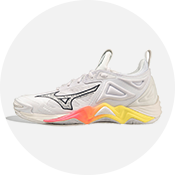
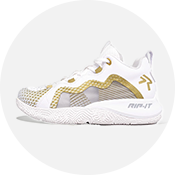
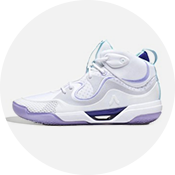
Ultimately, specialized volleyball shoes offer advantages tailored to the sport’s unique demands. While basketball shoes can get the job done—especially for newcomers—dedicated volleyball shoes are best for players who want lasting comfort, performance, and injury protection. If you need guidance, our Team Sports Experts at your local SCHEELS are happy to help you find the right fit for your needs and goals.