



Football Visors 101: A Guide to Use and Maintenance
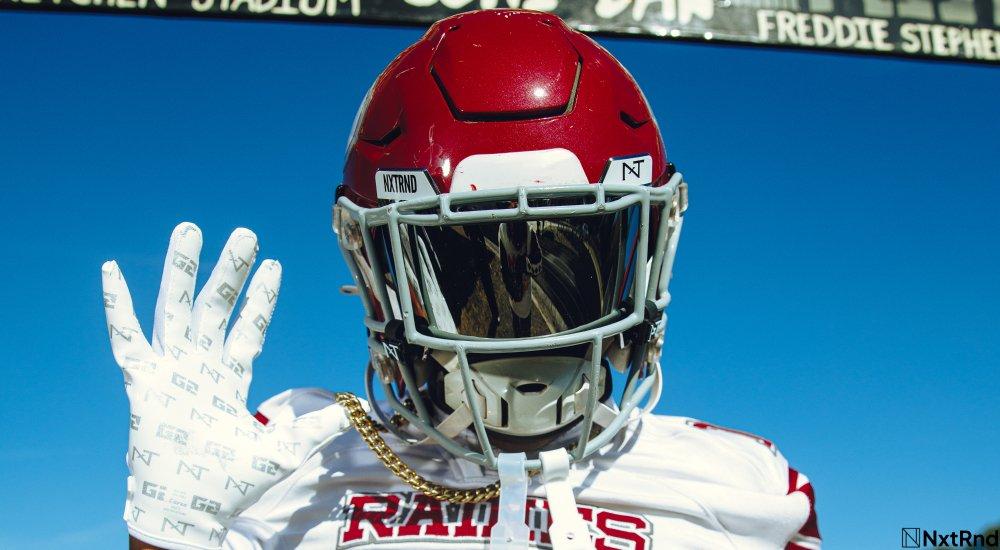
Finding the right eye shield involves more than just picking a stylish tint—you must also navigate league rules, ensure helmet compatibility, and know how to clean your visor safely. To help you choose the right football visor this season, our Experts explain the best features to consider, as well as caring for your visor to keep your gameplay at peak performance.
Football Visor Function
A football visor, or eye shield, is a protective accessory attached to your helmet's facemask that acts as a physical barrier to keep your eyes safe from stray fingers, flying turf, and loose dirt during high-contact plays. They are typically made of polycarbonate, which is a highly durable, shatter-resistant type of plastic, and are designed to fit in the facemask of your football helmet. Look for the polycarbonate construction, anti-fog treatment, and scratch-resistant coating for clear, durable vision.
Who Should Wear a Visor
Here is a side-by-side comparison table of the pros and cons of wearing a football visor, compiled by our SCHEELS Experts. This quick breakdown is designed to help you evaluate whether an eye shield matches your playing style and safety needs:
Reasons to Wear a Visor | Reasons NOT to Wear a Visor |
|---|---|
| Protects Your Eyes: Shields your eyes from stray fingers, flying feet, dirt, and grass during plays. | Fog and Condensation: Colder temperatures can create condensation on the interior plastic from your breath, fogging up your vision. |
| Prevents Facemask Grabs: Narrows your facemask openings, blocking opponents from making illegal grabs and pulls. | Reduced Airflow: Covers the upper facemask, which can restrict oxygen intake and cause fatigue more quickly in extreme heat. |
| Boosts Mental Confidence: Eliminating the fear of eye pokes or dangerous facemask tackles, giving you the courage to elevate your game. | Accumulates Scratches: Continuous contact can cause scratches that can impair vision. |
| Enhances Game-Day Style: Adding a visor to your helmet is one of the best ways to stand out on the field, helping you look and feel your best, and play with confidence. | Reduced Rainy/Snowy Visibility: Playing in wet or snowy weather can cause accumulation on the visor, which may inhibit vision |
Visor Design for the Field
Deciding whether you should wear one comes down to matching the visor's features with your specific playing needs and environment.
Clear vs. Tinted Visors: Choosing What’s Right for You
- Clear Visors: These provide eye protection from turn and opponents for high-impact positions. A clear visor is an essential tool for high-impact positions—especially running backs, receivers, and quarterbacks—because it blocks physical debris without dimming your field of vision
Tinted Visors: These smoked or mirrored visors are designed to significantly reduce glare and brightness to help with eye strain, helping you track the ball more effectively. These visors are great for athletes who frequently play with intense glare.
When comparing comfort for practice versus game day, keep in mind that most leagues require 100% clear and colorless visors during official play so medical staff can immediately evaluate your eyes for head injuries. Within certain leagues you might enjoy the style and glare-reduction comfort of a tinted visor during practices or pregame warmups, but you should stick to a clear option when it is time to compete on game day under official league regulations.
Attaching Your Football Visor to the Helmet
Before you install your visor on your helmet, be sure to check helmet and visor compatibility, as not all visors and helmets are universal.
-
Prep the visor: Remove the visor from its packaging, peel the protective film off both sides, and detach any pre-attached clips from the bottom of the visor so it can slide smoothly under the facemask.
-
Loosen the helmet hardware: Use a screwdriver to slightly loosen the top two screws securing your facemask to the helmet, creating a small gap to fit the shield.
-
Line up the visor: Gently slide the visor up underneath the facemask and align it to be flush with the top bar.
-
Attach the clip system and secure hardware: Press the visor clips onto the top bar of the facemask, tighten the clip screws completely, and retighten the top two facemask screws you loosened in step two.
-
Confirm the fit and vision: Have the player try on the helmet to ensure the visor sits evenly, feels comfortable, and does not block or distort your line of sight.
Checking the Visor Fit
Always be sure to double check the fit of your visor as often as possible. When performing a fit check, always confirm that the visor sits evenly, does not rattle, has no painful pressure points against the helmet, and offers a completely clear, undistorted line of sight.
Cleaning a Football Visor
A key part of maintaining your visor and keeping it game-ready is cleaning it the right way. A few simple best practices can help preserve visibility and keep your visor in strong condition.
-
Rinse the visor or wring warm water from a soft washcloth across it to loosen and wash away any abrasive dirt and grit.
-
To loosen the dirt and grime, soak one of the washcloths in warm, mild soapy water and wring it out across the visor, letting the water drip into the empty bucket.
-
Repeat this process on the inside of the visor
-
Finish by drying it gently with a soft cotton or microfiber cloth to remove any remaining water drops.
Expert tip: try to avoid directly wiping the cloth across the visor's surface to prevent scratches or accidental damage to the visor.
What to Avoid When Cleaning a Football Visor
Many visors feature anti-fog and anti-scratch coatings to help maintain clear visibility and reliable performance. When cleaning your visor, most manufacturers recommend avoiding chemical glass cleaners, as well as rough fabrics, and paper towels. These can damage the sensitive coatings on the visor and leave micro scratches on the surface.
It is also important to clean your visor in the above method, as wiping off the visor when debris such as dirt or turf is on the surface can risk further damage to the coatings. This also includes football gloves or fingers that may be covered in grit.
Choose a football visor that balances performance and league rules. Before you buy, make sure it fits your helmet and meets your league’s rules on clear or tinted lenses. The right fit, safe installation, and proper cleaning help you stay comfortable, see clearly, and play with confidence.
Here at SCHEELS, we know that the right gear makes a difference on the field. Our SCHEELS Experts are passionate about the sport and are right there with you, ready to help you find the perfect fit for your needs. Stop by your local store to chat with an Expert and find out more about football visors!