



How to Choose Fly Fishing Waders
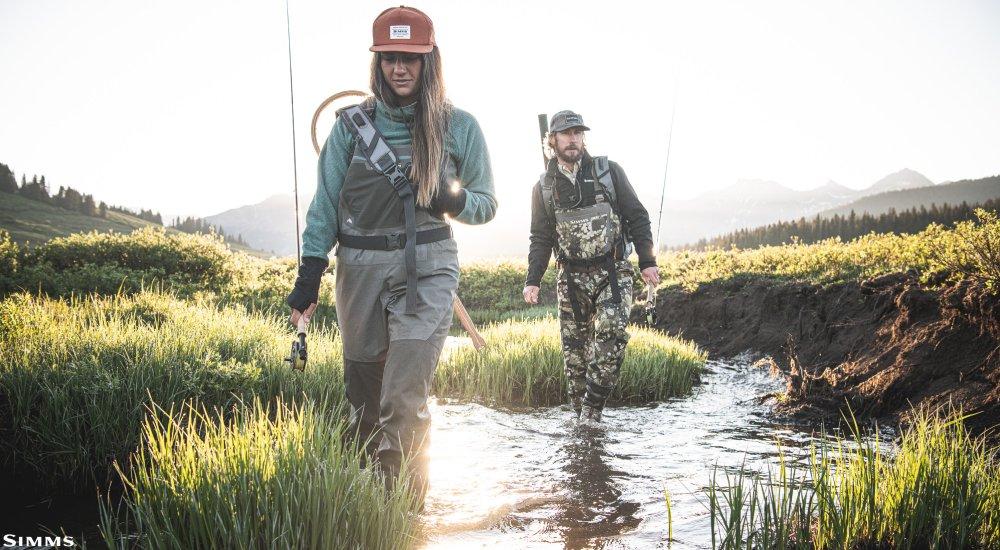
Whether you’re fly fishing a small stream or wading into a deep river, the right pair of waders can make a difference in your comfort and experience on the water. Waders help keep you dry, protect you from cold water, and allow you to reach fishing spots that you otherwise wouldn’t be able to. To help you find the best fly fishing waders, our Fishing Experts explain the different types, materials, and features to consider when choosing fly fishing waders.
Our Experts Cover:
What Are Waders?
Waders are waterproof fishing gear that allows anglers to comfortably fish while standing in water. By creating a barrier between you and the elements, waders help keep you dry and protected from cold water and changing conditions. They come in different styles, materials, and insulation levels to match everything from shallow streams to deeper rivers.
Types of Waders
When choosing a pair of waders, start by selecting the type that best matches your fishing conditions and the depth of water you'll be wading. There are three main types of waders: chest, waist, and hip waders
Chest Waders
Chest waders are the most popular and versatile style available because they allow you to wade out the furthest in streams, rivers, and lakes. They are the best all-around choice for anglers who fish in a variety of conditions throughout the year.
Benefits of Chest Waders:
-
More storage
-
Allow you to wade deeper
-
Provide more protection from cold water, wind, and rain
Considerations of Chest Waders:
-
Bulky for hiking
-
More uncomfortable in warm temperatures
Waist Waders
Waist waders are also commonly called wading pants and provide waterproof protection from the waist down.
Benefits of Waist Waders:
-
More comfortable in warmer weather
-
Easier to hike from one fishing spot to another
-
Typically easier to pull on and off compared to chest waders
Considerations of Waist Waders:
-
Limited wading depth
-
Less storage capacity
-
Less protection from wind and rain
Hip Waders
Hip waders are essentially two separate waterproof boots that pull up to your upper thighs and attach to your wading belt. They are designed specifically for shallow-water environments.
Benefits of Hip Waders:
-
Extremely lightweight
-
Easy to slip on and off
Considerations of Hip Waders:
-
No storage
-
Very limited wading depth
-
Less protection from wind, rain, and cold weather
Wader Material
Choosing the right wader material is important for staying comfortable on the water. Waders are made from different materials and fabric technologies that impact breathability, durability, insulation, and overall performance. Breathable waders are designed to allow heat and moisture vapor to escape, making them ideal for active anglers who hike and fish in changing temperatures. Non-breathable waders provide waterproof protection and insulation but can feel warmer during extended use.
Our Fishing Experts break down the most common materials used in fly fishing waders to help you find the right option for your needs.
-
GORE-TEX® is a premium waterproof-breathable fabric technology often found in high-performance waders. GORE-TEX® allows body heat and moisture vapor to escape while keeping water out, helping you stay comfortable during long days on the water.
-
Toray is another advanced waterproof-breathable fabric technology that offers a lightweight, flexible feel with reliable waterproof protection. It provides excellent performance and is commonly used in premium breathable waders.
-
Neoprene is a thick, insulating rubber material designed to trap body heat. Neoprene waders are ideal for cold-weather fishing and frigid water conditions but can feel warm and restrictive during warmer months.
Features to Consider for Waders
Beyond choosing the right style and material, there are several features to consider when selecting a pair of fly fishing waders.
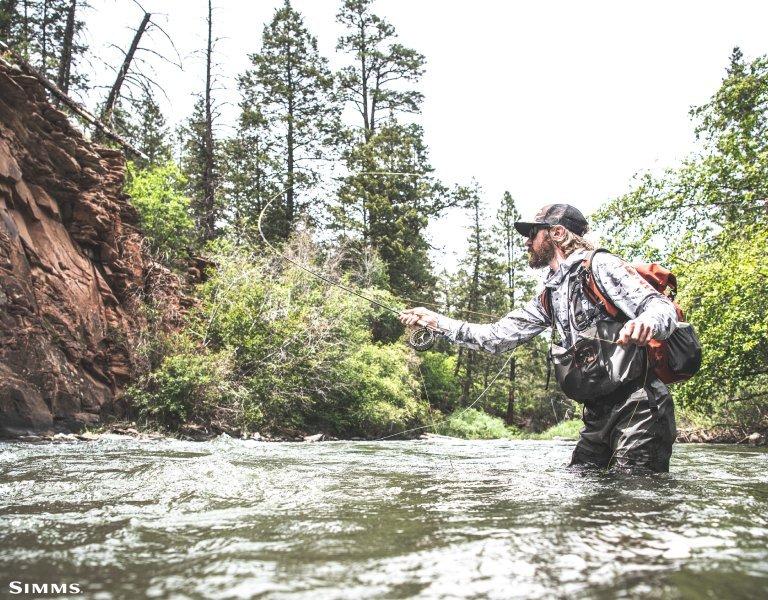
Bootfoot vs. Stockingfoot Waders
One of the first features to consider is whether you want stockingfoot or bootfoot waders. Stockingfoot waders have built-in neoprene booties and require separate wading boots, allowing you to customize your footwear based on the terrain and fishing conditions. Bootfoot waders have waterproof boots attached directly to the waders, making them easy to put on and ideal for anglers who prioritize convenience.
Stockingfoot Waders Benefits:
-
More customizable fit
-
Easier to pack and transport
-
Better traction options with interchangeable wading boots
Bootfoot Waders Benefits:
-
Faster to put on and take off
-
No need to purchase separate wading boots
-
Great for casual anglers and cold-weather fishing
Pockets & Storage
Pockets provide convenient storage for fishing essentials like fly boxes, tippet, leaders, tools, and other accessories. Look for waders with strategically placed chest pockets, handwarmer pockets, and attachment points that keep frequently used gear within easy reach.
Gravel Guards
Gravel guards help prevent small rocks, sand, and debris from entering your wading boots. Built into many stockingfoot waders, they create a barrier around your ankle and are especially useful when walking along rocky riverbeds.
Reinforced Knees
Reinforced knees add durability to high-wear areas that experience frequent abrasion from rocks, brush, and kneeling. This feature is especially beneficial for anglers who fish rugged terrain or spend long days on the water, helping extend the life of their waders.
How to Size Waders
Finding the right size waders is essential for comfort, mobility, and all-day performance on the water. Waders that are too tight can restrict movement and limit layering, while oversized waders can create unnecessary bulk.
Most manufacturers provide size charts based on several body measurements, including:
-
Height: Helps determine the overall length and fit of the waders.
-
Inseam: Measures the distance from the crotch to the floor to ensure the legs are the proper length.
-
Boot Size: Ensures the built-in boot or neoprene booties fit comfortably.
-
Chest or Waist Circumference: Helps determine the appropriate fit depending on the style of wader.
Because sizing varies by brand and style, always consult the manufacturer's size chart before purchasing. You should have enough room to bend, crouch, and walk comfortably without the waders feeling restrictive or loose.
Expert Tip | Try on waders while wearing the same layers you plan to fish in, especially if you’re planning to fish in cold conditions.
Basic Waders Maintenance
Fishing waders can be an investment, so it’s important to properly care for them after each outing to extend their life and keep them performing season after season. Here’s what our Experts recommend:
-
Rinse after use: Rinse your waders to remove dirt, sand, and mud.
-
Dry completely: Turn your waders inside out and allow both the interior and exterior to fully air dry before storing.
-
Store properly: Hang your waders in a cool, dry place.
-
Repair leaks: Inspect your waders for small punctures and tears. Patch as needed.
Frequently Asked Questions about Fly Fishing Waders
Choosing the right pair of fly fishing waders comes down to understanding your fishing conditions, personal preferences, and the features that matter most. Whether you need the versatility of chest waders, the mobility of waist waders, or the lightweight design of hip waders, selecting the right style, material, and fit will help you stay comfortable and confident on the water. If you have additional questions about choosing fly fishing waders, stop by your local SCHEELS to speak with an Expert.