



A Quick Guide to Types of Ammo & Bullets
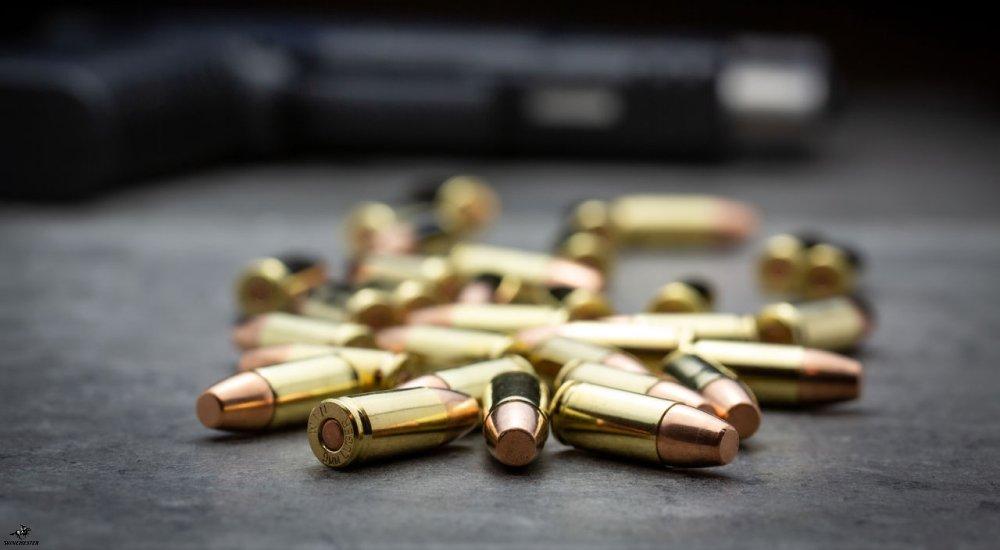
Choosing the right ammunition can feel overwhelming. With so many terms and specifications, it’s easy to get lost. Our Firearm Experts break it down to the essentials, giving you a clear starting point. Understanding the basics of ammo and how different bullet types perform will help you select the right ammunition for your needs.
What is Ammunition?
Ammunition refers to the complete cartridge loaded into a firearm to propel a projectile downrange. While people sometimes use the word “bullet” to describe ammo, a bullet is only one component of the cartridge.
A standard cartridge of ammo consists of four main components:
-
Casing: The container that holds all the parts together.
-
Primer: The ignition source that sparks the powder.
-
Powder (Propellant): The substance that burns to create gas and push the bullet forward.
-
Bullet (Projectile): The part that leaves the barrel and hits the target.
Expert Tip | If you're looking at shotgun ammo, the cartridge is referred to as a shotshell and includes another component called a wad. Read more about shotshells >
Firearm Types & Ammo
Ammunition is most commonly categorized by the type of firearm it’s designed for:
-
Handgun Ammunition: Typically smaller and designed for shorter-range shooting.
-
Rifle Ammunition: Engineered for higher velocity, longer distances, and more precision.
-
Shotgun Ammunition: Known as shotshells, which can contain pellets (shot) or a single slug.
Each firearm type uses specially designed cartridges to match its performance characteristics.
Rimfire vs. Centerfire Ammo
One major way to classify ammunition is by how the primer ignites:
-
Rimfire Ammo: The primer is located in the rim of the casing. Common in smaller calibers like .22 LR, rimfire ammo is generally less expensive but not reloadable.
-
Centerfire Ammo: The primer is located in the center of the cartridge base. It's more powerful, reloadable, and used for most handgun, rifle, and shotgun loads. Most ammunition is centerfire ammunition.
Learn more about rimfire vs. centerfire ammunition >
Types of Bullets & Their Applications
Once you’ve narrowed down the right category of ammo for your firearm, the next step is choosing the bullet type. The construction of the bullet influences its performance, making it important to understand your options. The three main types—Full Metal Jacket (FMJ), Hollow Point (HP), and Soft Point (SP)—each serve different purposes, from target shooting to hunting and home defense as well as specialty bullets designed for specific scenarios.
Here’s a breakdown of the most common bullet types:
1. Full Metal Jacket (FMJ) Bullet
Full Metal Jacket (FMJ) bullets have a soft lead core encased in a harder metal shell, usually copper. This design allows them to feed reliably, maintain their shape, and penetrate targets without expanding.
- Best for: Target shooting, training, and competition
2. Hollow Point (HP) Bullet
Hollow Point (HP) bullets feature a hollowed-out tip that causes the bullet to expand upon impact. This controlled expansion increases stopping power while reducing the risk of over-penetration.
- Best for: Self-defense and hunting
3. Soft Point Bullet
Soft Point (SP) bullets have an exposed lead tip with a partially jacketed body. This design allows the bullet to expand more gradually than a hollow point while still offering good penetration.
- Best for: Hunting medium to large game
Specialty Bullet Types
In addition to FMJ, HP, and SP, there are other specialty bullet types designed for specific use cases:
-
Boat Tail: Features a tapered base for improved aerodynamics and long-range accuracy.
-
Ballistic Tip: A hybrid of a polymer tip and hollow point, offering high accuracy and controlled expansion.
-
Open Tip Match: Constructed with a small opening at the tip, this design provides precision for target shooting by ensuring uniform bullet shape and weight distribution.
Bullet Construction
Beyond bullet types, advancements in construction and materials improve performance across categories:
-
Bonded bullets chemically or mechanically bond the lead core to the jacket, enhancing penetration and weight retention. Bonded bullets are common in hunting and defense rounds.
-
Monometal bullets are made from a single metal, usually copper or an alloy, providing uniform performance. Often lead-free, they excel in deep penetration and controlled expansion—ideal for hunting large game or shooting in areas with lead restrictions.
Choosing the Right Size Caliber
Caliber refers to the diameter of a bullet or the internal diameter of a firearm barrel. It’s typically measured in inches (.308) or millimeters (9mm). Selecting the right caliber affects everything from recoil and accuracy to stopping power and suitability for different applications.
Common Caliber Categories
-
Handgun Calibers: The three most popular calibers for handguns are 9mm, .40 S&W, and .45 ACP. These offer a balance of recoil, stopping power, and magazine capacity.
-
Rifle Calibers: Three common rifle calibers include .223 Remington, .308 Winchester, and 6.5 Creedmoor. They are optimized for velocity, long-range accuracy, and energy transfer.
-
Shotgun Gauges: Shotguns use gauge rather than caliber when describing ammo, and the three most popular include 12, 20, .410.
Expert Tip | To maximize performance, consider caliber alongside bullet type and construction. This ensures your ammo choice matches your firearm and intended use, whether for hunting, target shooting, or self-defense.
Related Expert Content
Understanding Bullet Grain
Grain is a unit of weight used to measure how heavy the bullet is, not the whole cartridge. One grain equals 1/7,000 of a pound (~0.065 grams). Grain weight impacts speed, recoil, and how the bullet performs.
Lighter Grain Bullets
-
Travel faster with a flatter trajectory
-
Often used for varmints or target shooting
-
Less recoil but may have less penetration
Heavier Grain Bullets
-
Travel slower but deliver more energy on impact
-
Better for larger game or longer-range shooting
-
Generate more recoil and experience greater bullet drop over distance
Expert Tip | Remember that bullet grain is relative to the caliber. A 77gr .223 is heavy, but a 77gr .308 would be very light.
By understanding the basics—firearm type, bullet type, construction, and caliber—you can make informed decisions that match your shooting goals, whether it’s target practice, self-defense, or hunting. With these fundamentals, you can select ammunition confidently and safely, maximizing both performance and effectiveness. If you have additional questions about choosing ammunition, stop into your local SCHEELS to speak with a Firearm Expert.
Please Note: Always check your firearm manufacturer’s recommendations for compatible ammo, and consider local regulations that may limit certain bullet types or calibers.