



Reloading Essentials for Beginners
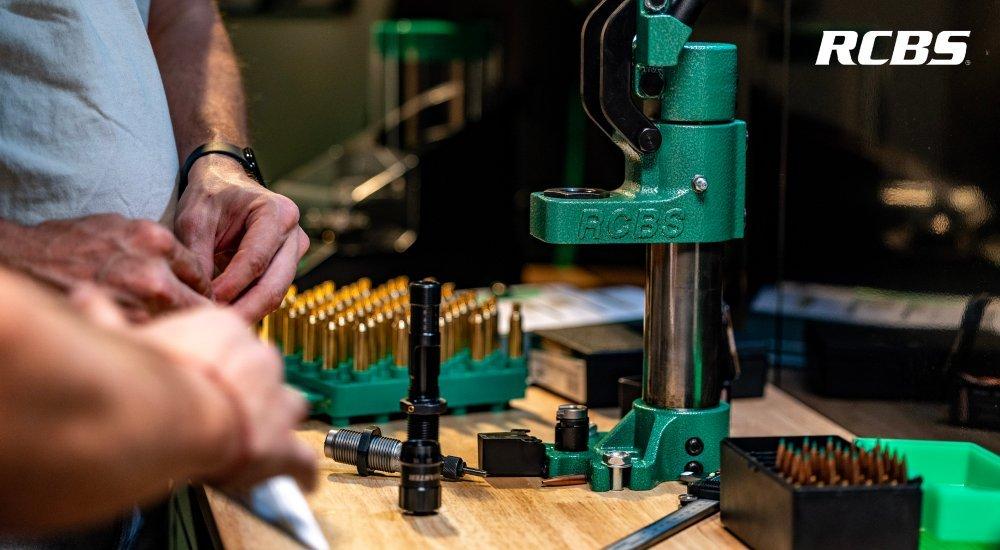
Reloading is simply rebuilding a fired brass casing with a fresh primer, gunpowder, and a bullet to create a ready-to-use cartridge. This rewarding hobby gives you total control over your shooting, allowing you to custom-tailor ammunition to your specific hunting or target shooting needs. Whether you're a hunter keen to perfect your ammunition for that critical shot, or a target shooter aiming for precision consistency, this list of must-have essentials is your guide to mastering the art of reloading.
Reloading Kit: The Ultimate Bundle
Choosing a reloading kit over manually buying your essentials is the easiest way for beginners to step right into action. Reloading kits include a reloading press, scales, primers, and basic hand tools in one purchase. There are two main types of presses to choose from: a single-stage press and a progressive press. For beginners, our Firearm Experts recommend starting with a single-stage press because it's simple to use and extremely safe for a first-time reloader.
Building Up Your Cartridge: 4 Core Components
There are four non-negotiable ingredients needed for every beginner to start reloading cartridges. These include your primer, bullets, gunpowder, and brass casing. Keep in mind that each item must match the exact caliber stated in your reloading manual and cartridge.
-
Primer: A primer is a tiny, pressure-sensitive metal cup pressed into the base that ignites when struck by your firing pin.
-
Bullets: A bullet is a physical projectile that travels down your barrel to the target. They must be carefully selected based on caliber, weight, bullet style, and your shooting application (such as hunting or long-range shooting).
-
Smokeless Powder: This is a temperature-stable propellant that drives the bullet. Unlike explosive black powder, smokeless powder burns at controlled, rapid rates. For the specific caliber you own, you must always use the exact powder type and weight (measured in grains) specified in your reloading manual.
-
Brass Casing: This is the metallic housing and most reusable component of a cartridge that holds the primer, powder, and bullet together. Once fired, these casings are cleaned, inspected, and resized so they can be reloaded and shot again.
Related Expert Content: A Quick Guide to Types of Ammo & Bullets
Bench Essentials Needed for Reloading
Once you have your reloading press picked out and your four core ingredients ready, you will need a few supporting tools to assemble them safely. Our Experts dive into the companion gear required to transform loose components into finished, high-precision cartridges.
Reloading Manual
A reloading manual is often labeled as your 'recipe book' for ammunition. These manuals list compatible powders and suggested charge weights for each cartridge. Starting with the proper tools and a trusted manual is the best way to maintain safety and success from day one.
Shell Holders
Shell holders are small, caliber-specific steel brackets that snap directly into the ram of your reloading press. The shell holder locks the rim of your brass casing securely in place. This ensures the casing cannot slip or wiggle as the press ram forces it up into the dies and pulls it back out.
Caliber-Specific Die Sets
Die sets are steel tools that screw into the top of your press to physically reshape your brass and place your bullets. They typically come in 2-piece sets for bottleneck rifle cartridges or 3-piece sets for straight-wall handgun cartridges. Every die set must match the exact caliber recipe in your manual to ensure safety and prevent dangerous pressure levels.
Priming Tool
A priming tool safely and consistently seats a fresh primer into the empty pocket at the bottom of the casing. Most modern reloading presses carry a built-in priming tool for applying them hands-free. If your press doesn't contain one, look into investing in a hand-priming tool.
Powder Scale and Funnel
The powder scale verifies and weighs your gunpowder to within a tenth of a grain to match your manual's exact recipes. The caliber-specific powder funnel sits snugly on your case mouth, allowing you to pour the measured charge into the casing without spilling.
Precision Calipers & Case Gauges
Digital calipers are used to measure case length and overall cartridge length to make sure they match safe tolerances. For final safety checks, a caliber-specific case gauge lets you drop a completed round in to instantly verify that it will chamber flawlessly and safely in your firearm.
Universal Loading Block
Finally, loading blocks are heavy-duty trays designed to hold your brass casings upright during the reloading process. These blocks keep your workspace organized, prevent accidental powder spills, and allow you to easily perform a visual inspection of your entire batch to check that all powder levels are completely uniform before seating bullets.
Frequently Asked Questions About Reloading Gear
By starting with proven essentials and careful attention to caliber-specific details, you can build a safe, practical setup with confidence. Once you master the basics and find yourself reloading in high volumes, you can eventually explore advanced convenience upgrades like tumblers, case trimmers, and automated annealing machines to speed up your bench work. If you have any more questions regarding this list or reloading gear in general, feel free to stop at a local SCHEELS store today to speak with a Firearm Expert!